Step outside for 15 minutes after you wake up. It costs nothing, and it is one of the easiest ways to give your body clock, sleep and energy a steady start.
Medically reviewed by: [Name to be added after review]
Part of the “Small changes, big results” series.
Within an hour or so of waking up, step outside and let natural daylight reach your eyes for about 15 minutes.
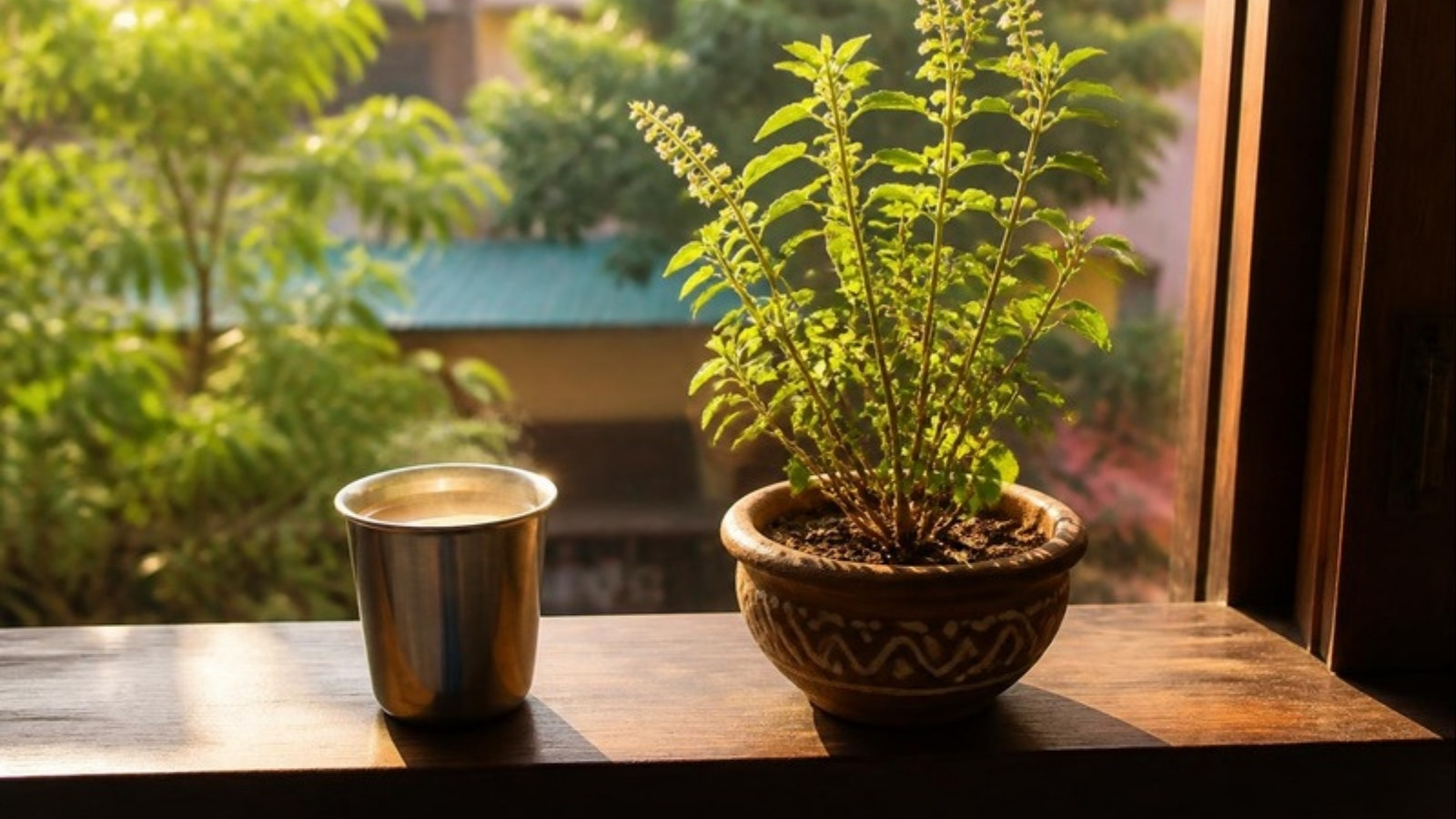
Tea on the balcony counts. A slow walk to the market counts. You don’t need any gear, and it costs nothing. (Just don’t look straight at the sun.)
Your body runs on a 24-hour clock. Morning daylight is one of the strongest signals that tells it, “The day has started.” Research links regular morning light with earlier sleep timing and better alertness during the day.
Sleep and hormones are closely connected. So when your body clock feels steady, you give everything else, from energy to cravings to your cycle routine, a better base to work from.
The real magic is what it starts. A bright, calm morning makes the next good choice easier. A protein breakfast. A short walk. An earlier bedtime. That is how small habits begin to add up.
Let’s be clear: sunlight is not a fat burner. What it can do is support the things that make weight loss easier to stick with.
Over weeks and months, this is the kind of steady foundation that helps bigger changes work.

Imagine Neha, 29, who wakes up tired and reaches for her phone. She starts taking her chai to the balcony instead. It takes 15 minutes, so she never skips it. Two weeks later she adds a short walk around the block. Nothing dramatic happened on any single day, but her mornings now feel like hers.
That is how small changes become big results.
Not quite, and that is okay. Early-morning sun is gentle, and vitamin D needs stronger sunlight than you get first thing. So think of this habit as a body-clock habit first.
It is still worth knowing your vitamin D number. In one study of 1,052 women at a clinic in India (Garg et al., 2018), about 64% had vitamin D below 20 ng/ml. A simple blood test can tell you where you stand.
Morning light is a great team player. It does its best work alongside:
Think of it as the first domino. It does not replace medicines or tests, and it is not a cure for PCOS. It is a simple, positive step that makes the rest of your plan easier to follow.
Morning light suits most people. Check with your doctor first if you have a skin condition, or you take medicines that make your skin sensitive to sun.
Healthy habits are wonderful, and they work best alongside good medical care. Please see a doctor if you have:
You don’t need to wait for things to get bad. Asking early is a smart move.
Ready to see where you stand? Take our free weight assessment. It takes a few minutes and gives you a clear starting point. You can also join the Shakti WhatsApp channel for one simple, doctor-reviewed habit at a time.
Sources: Garg R, Agarwal V, Agarwal P, Singh S, Malhotra N. Prevalence of vitamin D deficiency in Indian women. Int J Reprod Contracept Obstet Gynecol. 2018;7(6). ijrcog.org
You've read the article. Your body already knows something is off. The next step is finding out what - with a doctor who actually specialises in this."
★★★★★ 4.8/5 rated | 100% Private |Trusted by Women at All Stages