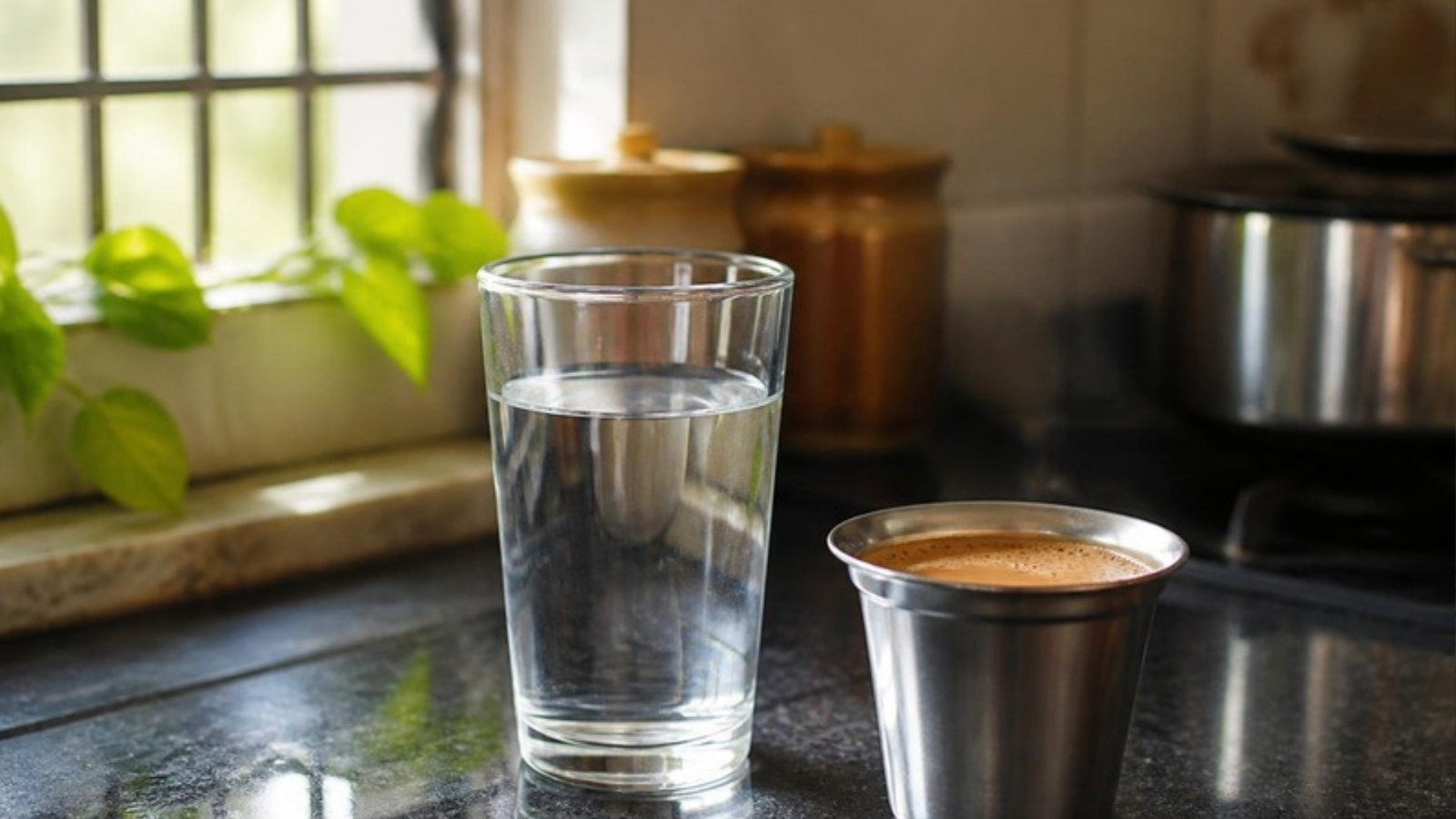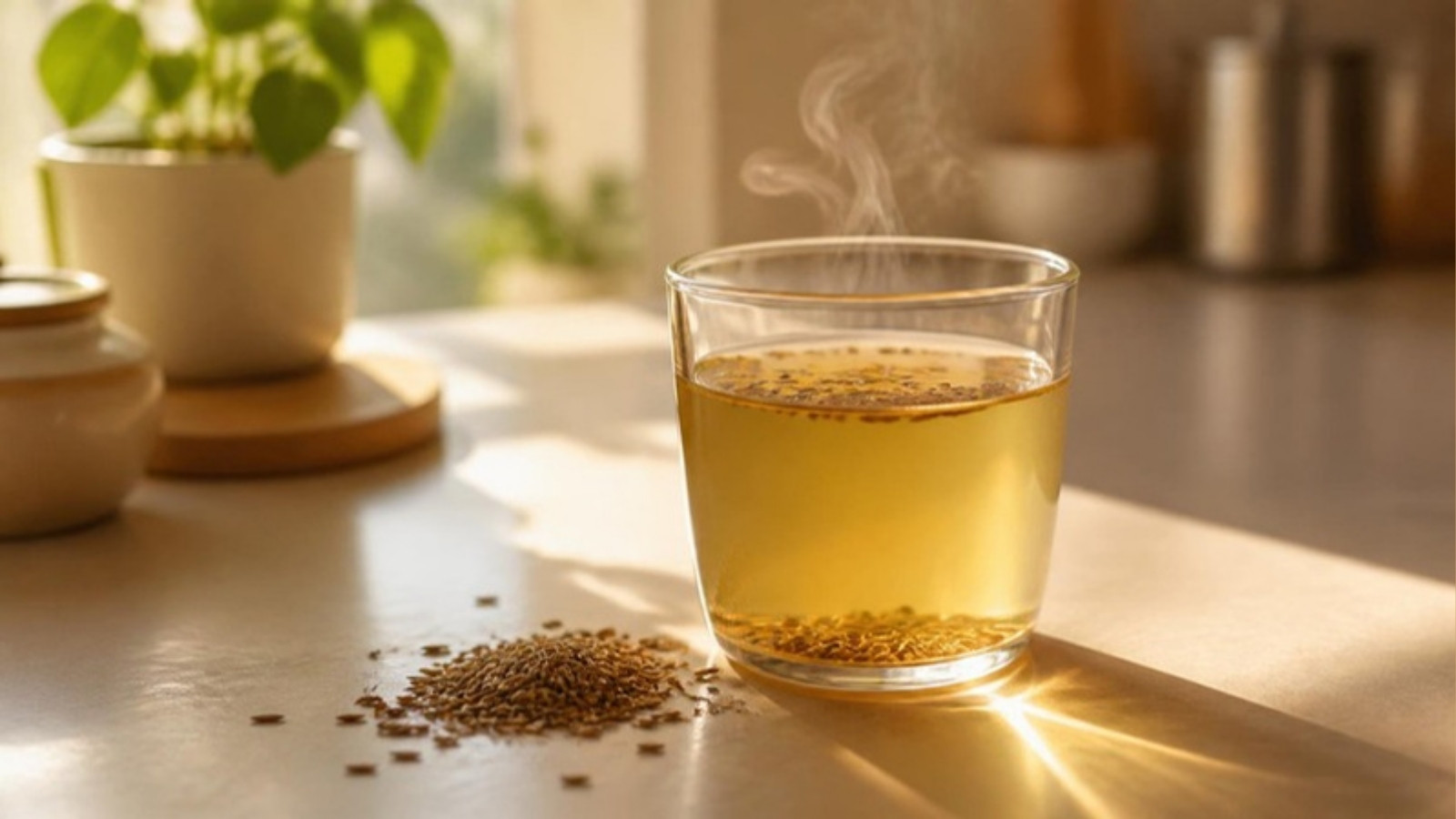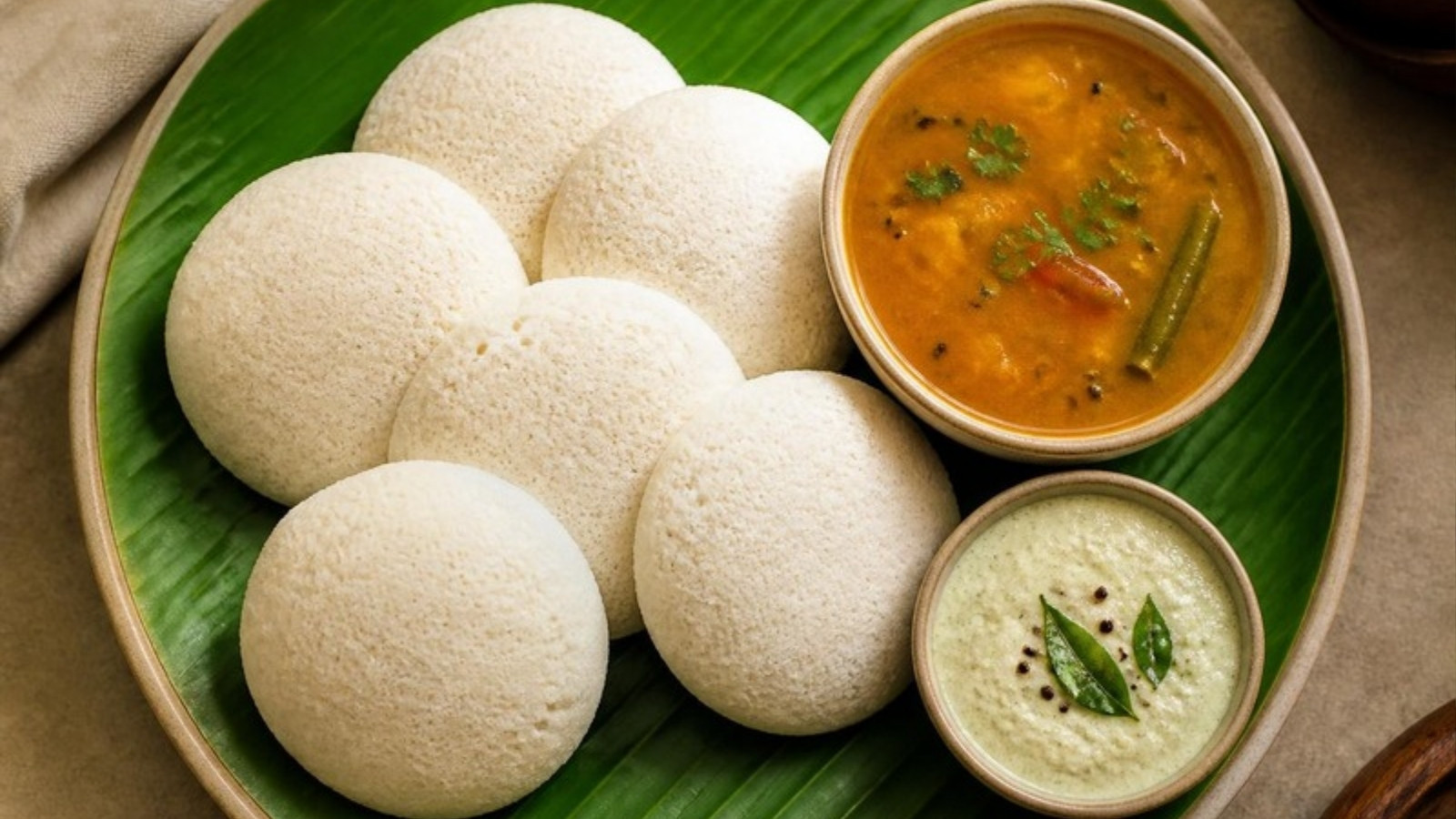
You don't have to give up idli, poha or roti. Pair them with protein, fibre or a little fat, and your meals can keep you fuller and steadier for longer.
Medically reviewed by: [Name to be added after review]
Part of the “Small changes, big results” series.
Whenever you eat a carb, pair it with protein, fibre or a little healthy fat.
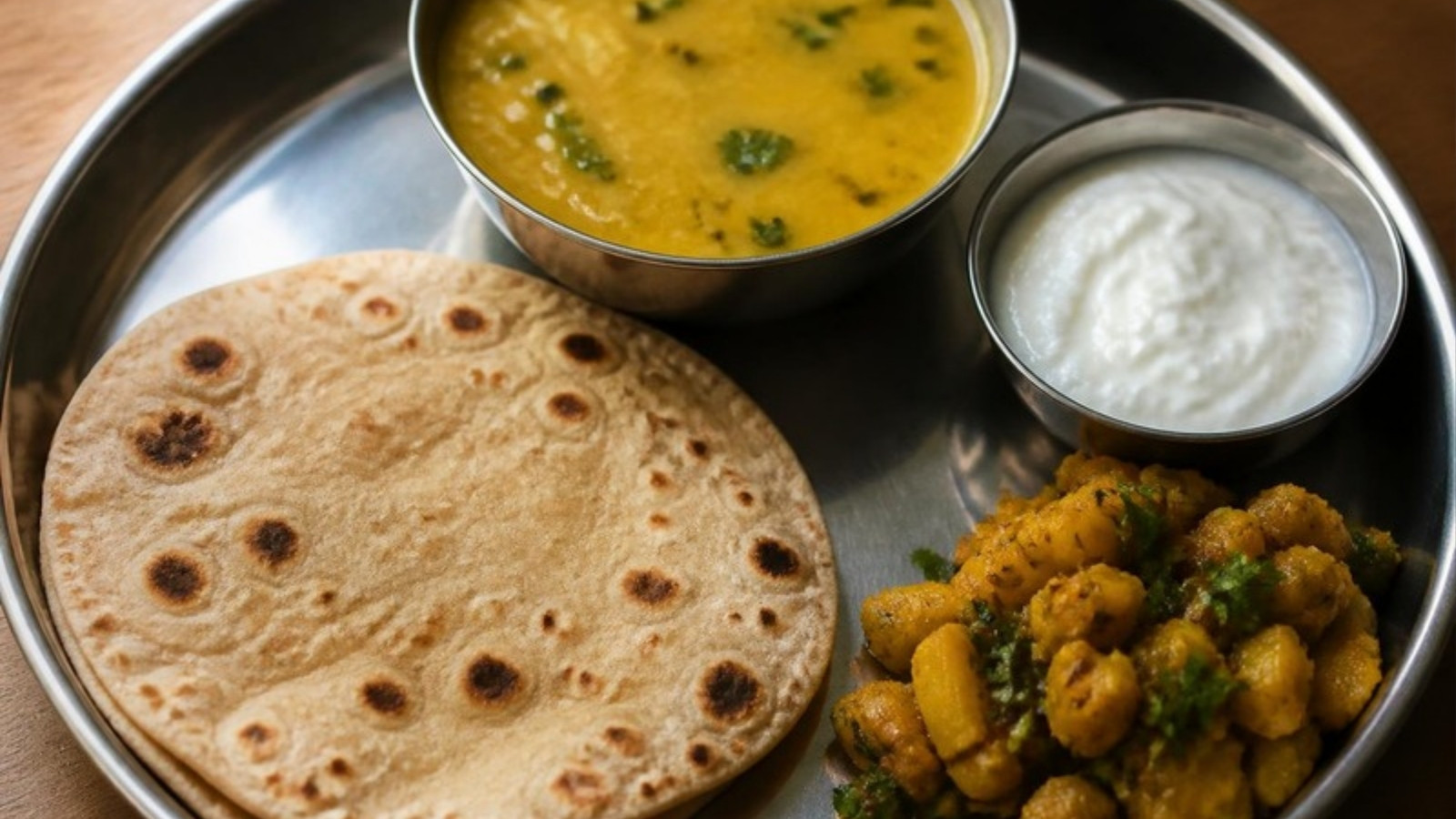
You don’t cut anything out. You just add a partner. Idli with sambar. Poha with peanuts. Khichdi with curd. Roti with dal. Your grandmother’s plate was already doing this.
Many women with PCOS have some degree of insulin resistance. That simply means the body needs extra insulin to handle sugar. This is one reason food choices matter so much with PCOS, and why small, steady habits add up.
Protein, fibre and healthy fats slow down digestion. So the sugar from your carbs enters your blood more gradually, instead of in one quick rush. That is the idea behind this habit.
The research is encouraging. In small studies in people with type 2 diabetes and prediabetes, eating vegetables and protein before carbs led to lower blood sugar after the meal (Shukla et al., 2015). These studies were not in PCOS, but pairing your carbs is an easy, practical way to use the same idea.
Pairing carbs may help you feel full for longer and keep your energy steadier between meals. For many women, that means fewer sudden hunger dips and fewer 4 pm cravings.
Here are easy swaps you can make today:
Imagine Ananya, 26, who has PCOS and used to eat plain biscuits with her evening chai. She starts having roasted chana beside them. A week later she adds curd to her lunch. A month later, her plate looks different without any strict diet. Nothing dramatic happened on any single day, but she now eats in a way she can keep up.
That is how small changes become big results.
Pairing is a great team player. It does its best work alongside:
Think of it as the first domino. It does not replace medicines or tests, and it is not a cure for PCOS. It is a simple, positive step that makes the rest of your plan easier to follow.
Pairing suits most people. Check with your doctor or nutritionist first if you take medicines for diabetes or blood sugar, or if you have been told to follow a special diet for a kidney or other health condition.
Healthy habits are wonderful, and they work best alongside good medical care. Please see a doctor if you have:
You don’t need to wait for things to get bad. Asking early is a smart move.
Ready to see where you stand? Take our free weight assessment. It takes a few minutes and gives you a clear starting point. You can also join the Shakti WhatsApp channel for one simple, doctor-reviewed habit at a time.
Sources: Shukla AP, Iliescu RG, Thomas CE, Aronne LJ. Food order has a significant impact on postprandial glucose and insulin levels. Diabetes Care. 2015;38(7):e98-e99.
You've read the article. Your body already knows something is off. The next step is finding out what - with a doctor who actually specialises in this."
★★★★★ 4.8/5 rated | 100% Private |Trusted by Women at All Stages